San Diego whale watching is a chance to observe wild animals, not a scheduled performance. The season, ocean conditions and the type of vessel all affect the experience, and no guide can promise a whale on a particular sailing. Start by deciding whether you want a boat trip into ocean waters or a shore-based watch with a coastal walk as the main activity.
Gray whales are associated with the winter and spring migration along the coast, while operators may offer trips looking for other species in different seasons. Ask what the current trip is designed to seek, how long it lasts and what the recent conditions have been. A year-round ticket calendar does not mean the same animals are equally likely all year.
When is San Diego whale-watching season?
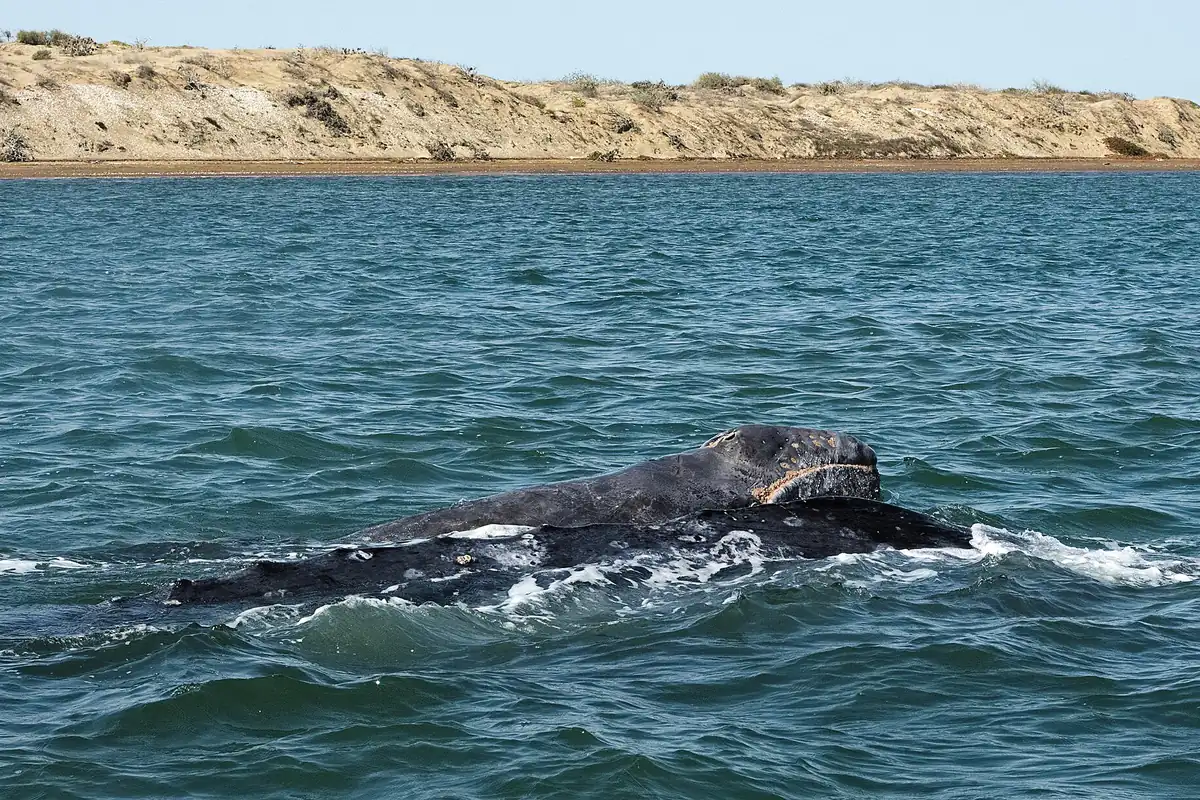
Gray whale migration provides the familiar cool-season framework. NOAA describes the animals' long annual movement between feeding areas and the Baja California region. Local operators use that pattern to plan seasonal trips, but arrival, route and sighting frequency vary. A broad season is a planning guide, not a forecast for your date.
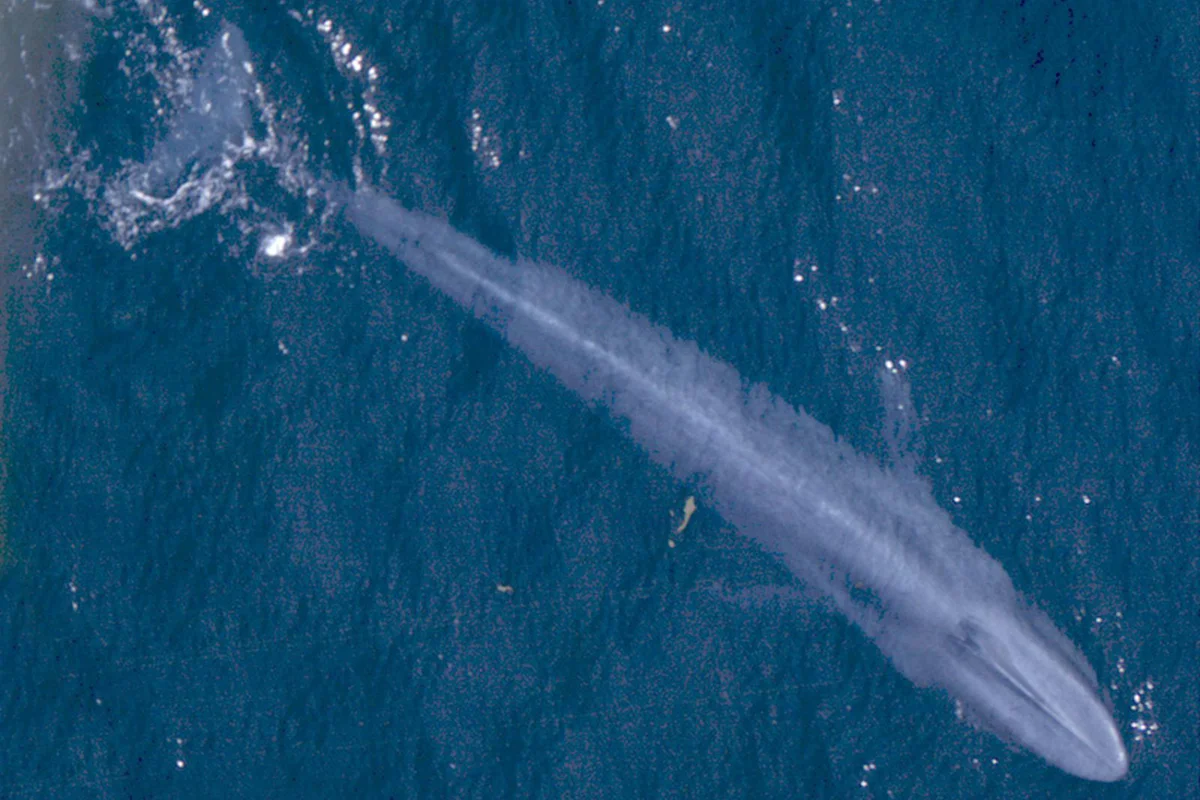
Blue whales, humpbacks and other marine life may be the focus of other outings. Check current operator descriptions and recent naturalist reports without treating a past sighting as a reservation for the next trip. We do not reproduce population counts or future-season predictions here because those require more context than a booking guide can provide.
Choose the boat as carefully as the departure time
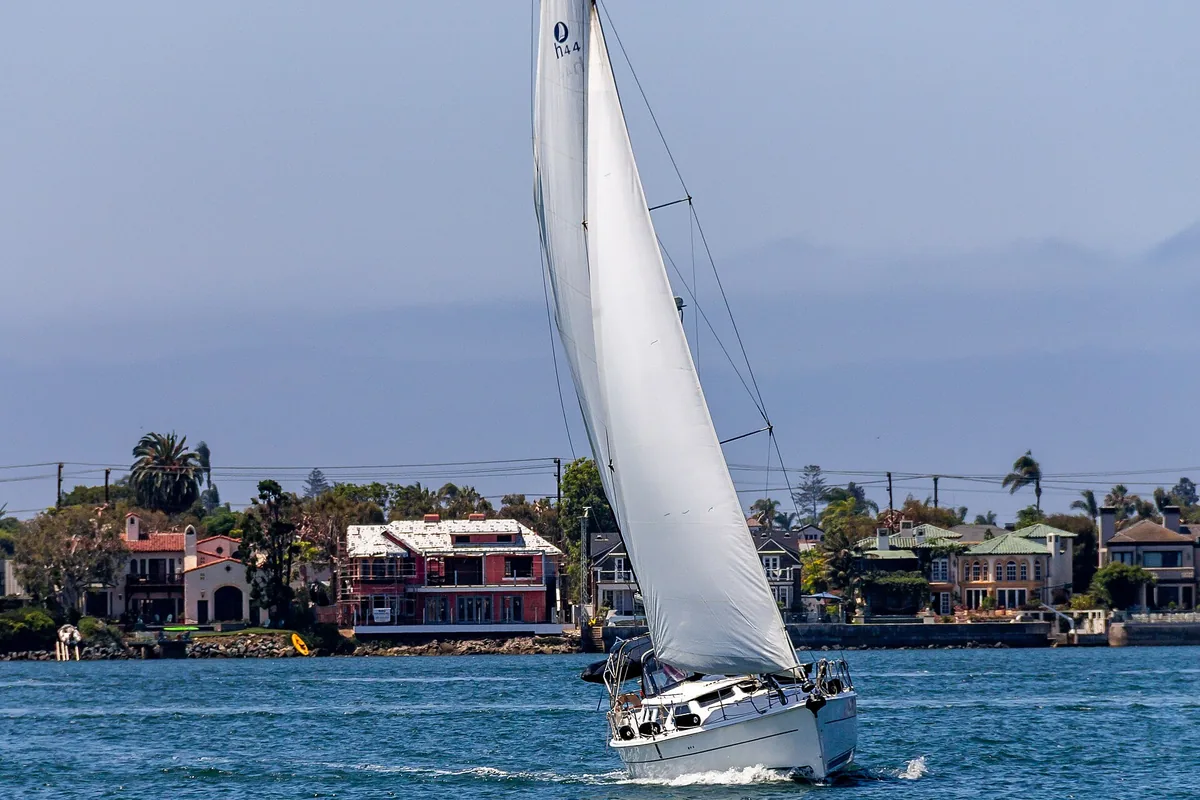
Compare vessel size, indoor seating, restrooms, deck layout and the physical requirements for boarding. A larger sightseeing boat and a small open craft can offer very different comfort levels. Ask about the specific vessel assigned to your sailing, especially if someone needs step-free access, a stable seat or protection from wind.
For families, check the age rules and whether the duration suits the youngest passenger. For anyone prone to motion sickness, discuss appropriate preparation with a health professional before departure. An ocean wildlife trip is not the same as a sheltered harbor tour. If a bay-focused outing is a better match, compare our San Diego Bay cruise guide.
Questions to ask before booking
- Where exactly does the trip board, and how early must passengers arrive?
- What is the scheduled duration, and can conditions change the route?
- Who provides wildlife interpretation?
- What accessibility limitations apply to the actual vessel?
- What happens if weather cancels the trip or no whales are seen?
- Which charges, equipment and services are included in the total fare?
Read any sighting guarantee carefully. It may mean a credit for another trip, not a refund, and conditions may apply. A guarantee is a commercial policy, not a way to control wildlife. Avoid choosing an operator solely because an advertisement promises unusually close encounters.
Responsible distance: NOAA's guidance
NOAA recommends staying at least 100 yards from large whales and limiting observation to 30 minutes or less, unless other species-specific rules apply. The goal is to avoid disrupting feeding, travel and other natural behavior. A whale's apparent curiosity does not give people permission to chase, surround, feed or touch it.
On a passenger vessel, follow the crew's safety instructions and support a cautious approach. Do not pressure a captain to move closer for a photograph. If you are boating independently, read NOAA's complete regional guidance before departure and learn what to do if a whale surfaces unexpectedly nearby.
Can you watch whales from shore?
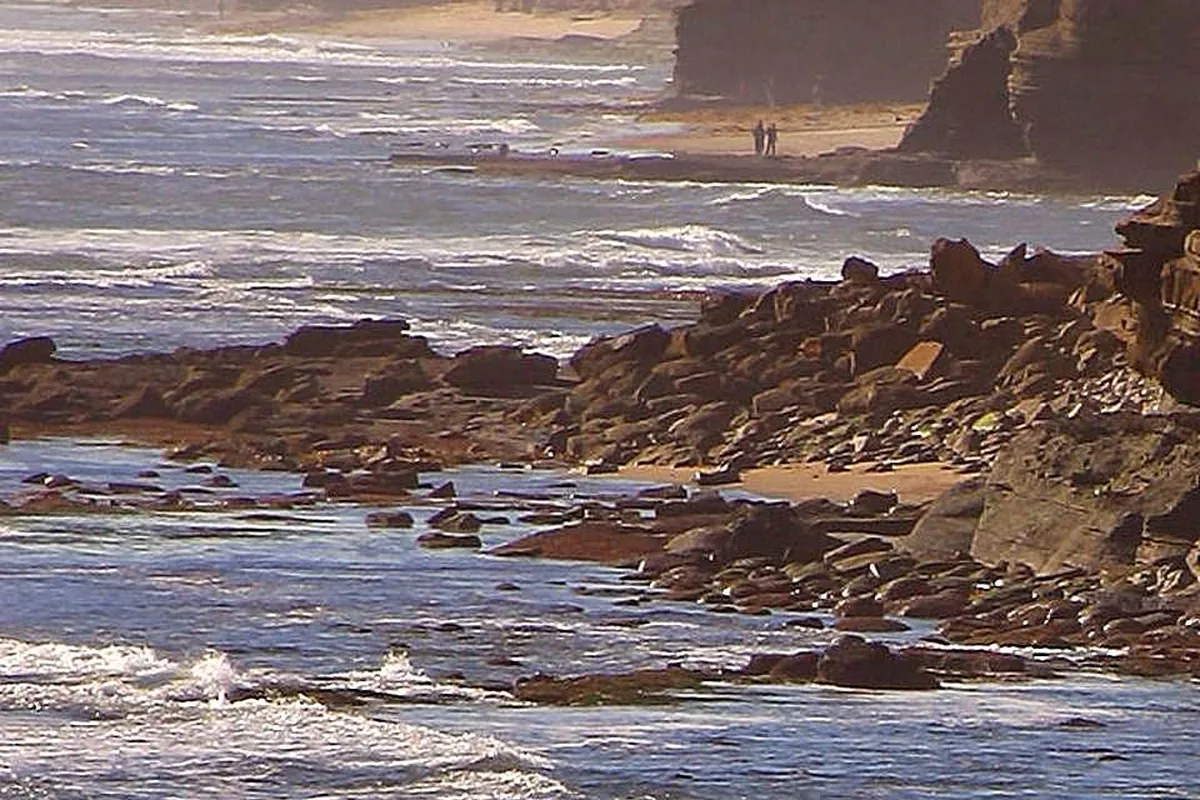
Shore-based watching is possible from open coastal viewpoints, but distance and visibility make binoculars valuable. The City of San Diego notes migrating gray whales among the potential sights from Sunset Cliffs. That is an opportunity, not a dependable daily event. Keep the coastal walk worthwhile in its own right so the outing does not depend on a blow appearing offshore.
Use a stable public viewpoint and stay back from cliff edges. Do not descend an unsafe route to get nearer to the water. Our Sunset Cliffs guide emphasizes established paths and practical planning. Wind, glare and haze can make distant observation difficult even on a pleasant day.
What to pack for a boat trip
Bring layers, sun protection and secure footwear suitable for the vessel. Ask the operator about food and drink policies and whether a small bag is allowed. Keep cameras and phones secured, and use rails as instructed. A long lens can help, but a steady observer who knows where to look may notice more than someone constantly watching through a screen.
Expect waiting between sightings. Listen for the naturalist's directions and scan a broad area for blows, backs and changes on the water. Do not crowd one rail or lean outside permitted areas when an animal appears. Other passengers need a safe view too.
If you find an animal in trouble
Do not approach an entangled whale or attempt a rescue. Alert the crew or contact the authorized marine-mammal response authorities using current official information. A useful report gives the location and what you observed from a safe distance. Additional boats gathering around an animal can make the situation worse.
A successful San Diego whale-watching outing combines realistic expectations, appropriate equipment and respect for wildlife. Even without a dramatic breach, learning to read the ocean and watching natural behavior can be worthwhile. Let the animals set the terms of the encounter.
Sources & further reading
Official information and references for this guide. Check the source for current access, rules and conditions.