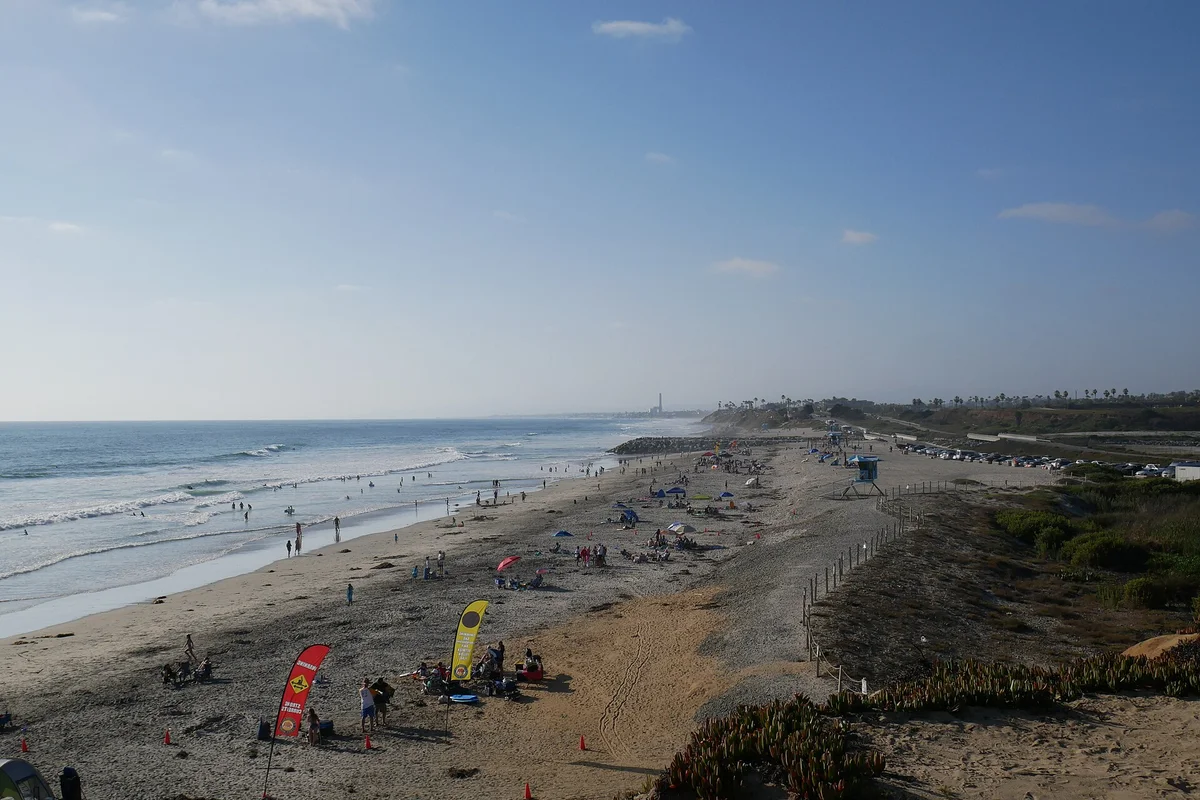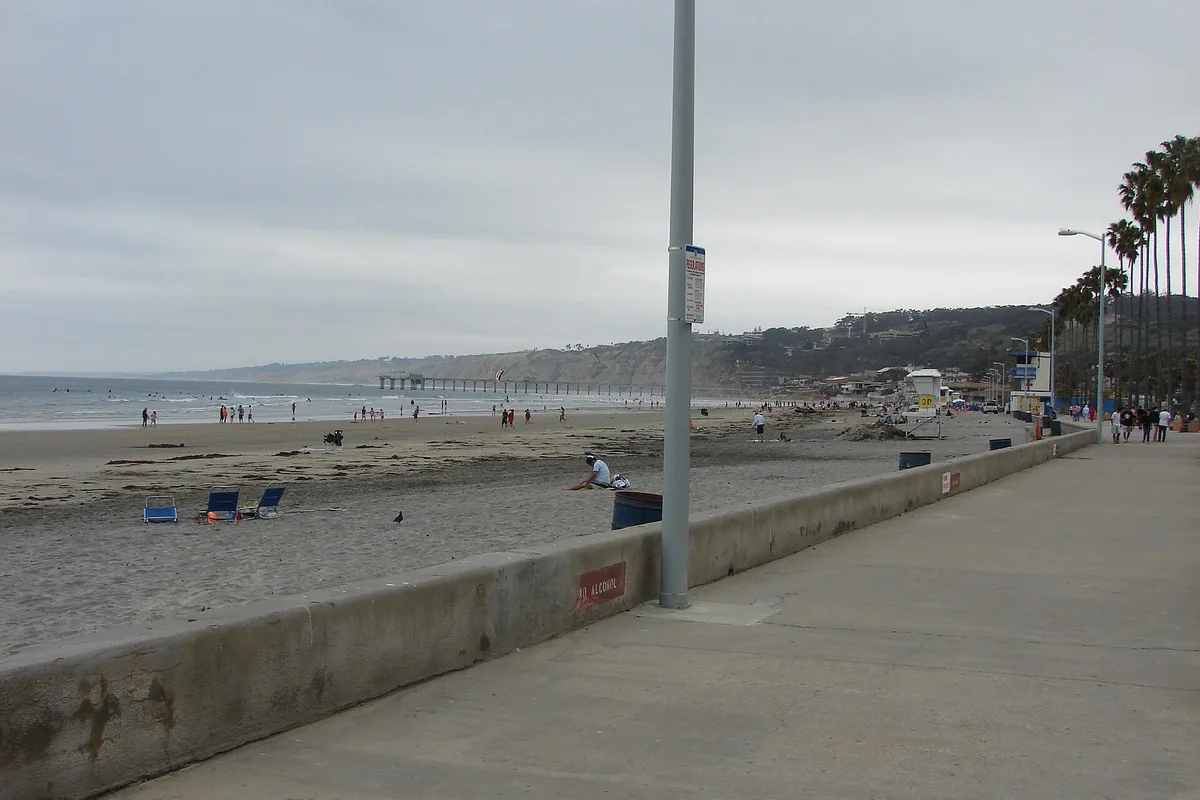
Wheelchair accessible beaches in California vary widely in what accessible means. In San Diego, a paved promenade, an access mat and a beach wheelchair offer different experiences, and none automatically guarantees independent access to the water. Start by deciding what you want to do: enjoy a view, reach firm sand, travel across the beach or approach the shoreline with assistance. Then verify the entire route and equipment arrangement for that specific goal.
Start with the City of San Diego program
The City's Beach Wheelchair Program describes beach-access equipment based at Mission Beach and links to other accessibility locations. Use it as a planning resource, not a guarantee that a particular chair is available whenever you arrive. Program staffing, weather and maintenance can affect access.
Explain your needs when contacting the program: independent propulsion versus assisted use, transfer ability, equipment dimensions and any support required to reach the water. If a companion will push a manual beach chair, make sure that person understands the terrain and physical effort. A familiar mobility device on pavement may behave very differently on soft sand.
Access mats: useful but seasonal
The City's Beach Accessibility Locations guide lists seasonal mats at ocean beaches and Mission Bay sites. Named ocean locations include La Jolla Shores, Pacific Beach, Mission Beach, South Mission Beach and Ocean Beach. The guide explains that mats are generally deployed during the summer season and removed during periods when tides, surf and blowing sand can make them unsafe or damage them.
Confirm the mat is currently installed before treating it as the basis of your trip. A mat may end before the firmest sand or waterline, and changing beach conditions can create a difficult transition at its edge. Ask how the mat connects with parking, the sidewalk, restrooms and the exact beach area you want to reach.
Manual beach wheelchairs
The City lists manual beach chairs at the lifeguard stations at Ocean Beach, Mission Beach, Pacific Beach and La Jolla Shores. These require someone to push, and availability depends on lifeguard service and current arrangements. Check the published guidance and ask directly about checkout, transfers, seating support and any restrictions.
Do not assume every beach chair can enter the water. Different equipment has different operating limits, and the City's guide explicitly distinguishes equipment that must remain away from water. Follow staff instructions for the actual device provided. A photograph of a chair near the surf is not evidence that your assigned equipment is approved for the same use.
Mission Beach equipment and reservations
The City's location guide identifies additional access equipment at the Mission Beach program site on Ocean Front Walk, including tracked equipment, portable access mats and rollators. Check the current list and reservation process before arrival. Equipment names alone do not answer whether a device will support your posture, mobility needs or preferred activity.
Ask what identification, assistance, transfer arrangements or advance booking is required. Also ask what happens if conditions change after you reserve. A useful backup is a paved waterfront visit that does not depend on one piece of equipment. That way a cancellation changes the activity rather than eliminating the whole outing.
Mission Bay options
The City's guide lists seasonal mat locations around Mission Bay as well as the ocean coast, including Crown Point, Bonita Cove, Mission Point and Fanuel Street Park. These can be worth comparing when your priority is a waterfront setting rather than surf. Do not assume bay water is universally safe or that every beach edge has the same slope.
Check the exact route and current water conditions. The absence of ocean waves does not settle questions about independent access, currents, water quality or a safe transfer. For a no-sand plan, identify a suitable paved viewing area and confirm accessible parking and restrooms separately.
A practical access checklist
Before leaving, confirm the parking-to-path connection, surface changes, steep grades, restroom features and equipment availability. Ask where a companion can wait during any transfer and whether there is seating or shade. Consider the return trip when the group is tired, not only the first movement from the car.
Accessible parking does not establish accessible beach access. The Swami's guide, for example, distinguishes parking at a bluff-top park from the stairs to the sand. That kind of route detail is more useful than a blanket accessible or inaccessible label.
Southern California beyond this list
This is a San Diego-focused starting point, not a verified inventory of every wheelchair accessible beach in Southern California. Other cities and state parks run their own programs. Contact the responsible operator rather than applying San Diego's equipment or seasonal arrangements to another jurisdiction.
For an interpreted marine-life outing with a published accessibility description, compare Birch Aquarium. The strongest plan is the one that matches your specific needs and has current confirmation, whether it reaches the sand, stays on a promenade or spends the day above the coast.
Sources & further reading
Official information and references for this guide. Check the source for current access, rules and conditions.