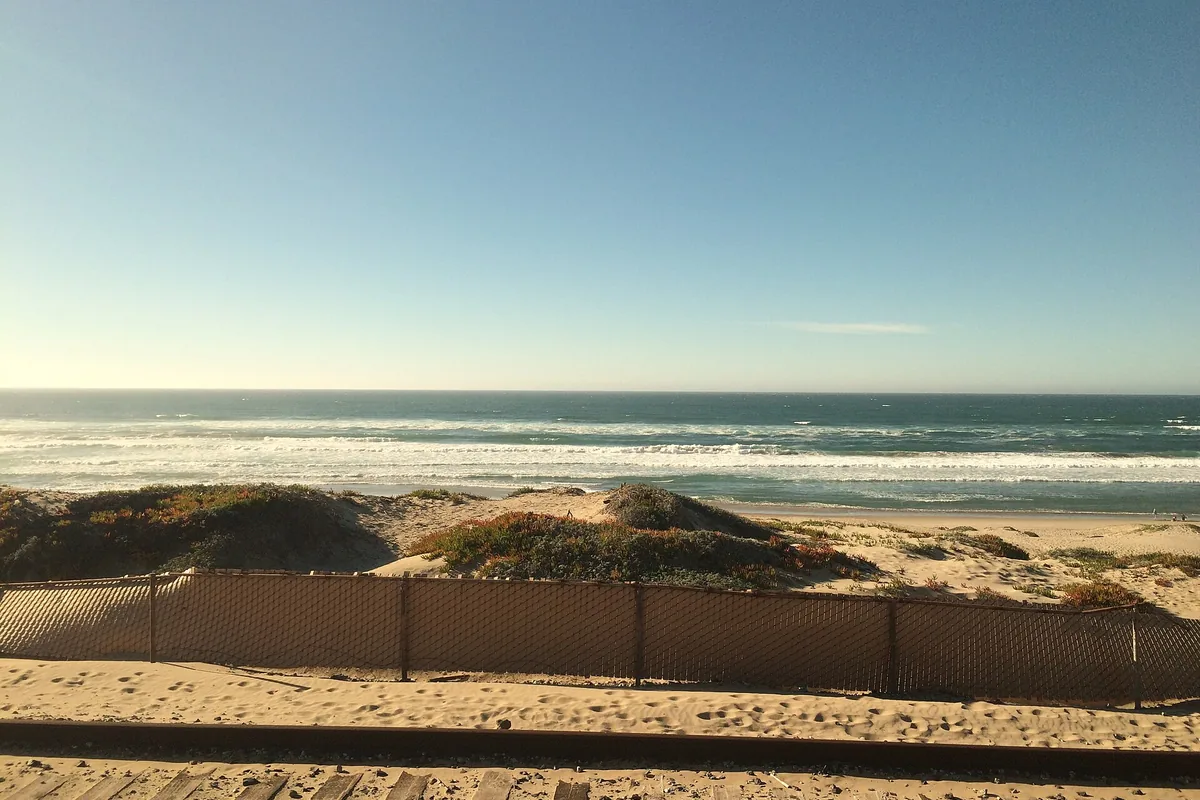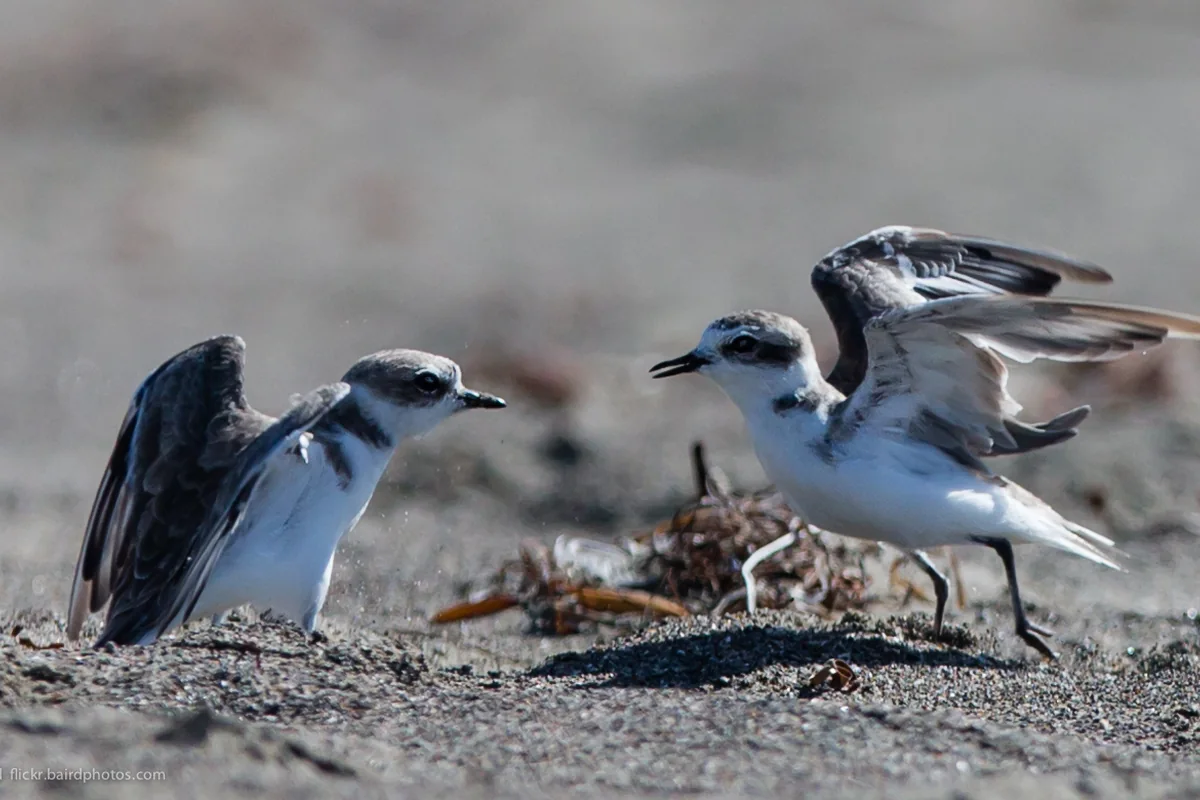
A snowy plover Ocean Beach search needs a location check before it becomes a birding plan. “Ocean Beach” is used for more than one place on the Pacific coast, and a report from another county or state does not establish a sighting at San Diego's Ocean Beach. This guide focuses on western snowy plovers, their coastal habitat and responsible observation without promising a particular bird at a particular beach.
The Pacific coast population is federally threatened. U.S. Fish and Wildlife Service guidance emphasizes how easily people can disturb nesting, resting and feeding birds on apparently empty sand. A careful visit begins by respecting habitat boundaries even when you cannot see the birds those boundaries protect.
What is a western snowy plover?
Western snowy plovers are small shorebirds associated with open sandy beach and related coastal habitat. Their pale, sand-colored appearance helps them blend into the ground. The same camouflage that protects adults, eggs and chicks makes them easy for a visitor to overlook. Do not assume a dry-sand area is vacant because nothing is obvious from the path.
For identification, use a current illustrated bird reference and compare the whole pattern rather than the common name alone. Other small shorebirds use the coast, and a distant bird may remain uncertain. Binoculars or a spotting scope are better tools than walking closer until the bird moves.
Snowy plovers in San Diego: documented habitat
The U.S. Fish and Wildlife Service identifies western snowy plovers among the sensitive species using the South San Diego Bay Unit of San Diego Bay National Wildlife Refuge. Its salt ponds and levees provide resting, feeding and nesting opportunities for many birds. That official habitat information is more useful than an unverified claim that a particular urban beach always holds plovers.
Use designated public trails and remain outside closed ponds and marsh areas. A refuge bird list does not mean every part of the refuge is open for recreation. Our San Diego Bay guide distinguishes the bay's public waterfront spaces from its sensitive habitat areas.
Ocean Beach sightings: what we can and cannot confirm
We could not verify a dependable current snowy plover viewing location at San Diego's Ocean Beach from the official sources used for this page. That does not prove the species never occurs there; it means this guide should not direct visitors to a specific flock or nesting patch without evidence.
If you encounter a small shorebird on an Ocean Beach visit, observe from far enough away that it continues normal activity. Record the date, general location and visible field marks. Check a reliable identification resource afterward. Do not pursue the bird along the sand to turn an uncertain observation into a close photograph.
Why beach closures protect more than a nest
USFWS describes the broad nesting period as spring through summer, with local timing and restrictions varying by site. Birds need room to feed and rest as well as to incubate eggs. Repeated disturbance can interrupt those activities and expose eggs or chicks to predators or other risks.
Posted closures and ropes may protect a larger habitat zone than the exact nest location. Do not step inside to look for the reason for the sign. Stay on authorized paths and use wet, hard-packed sand only where that route is both permitted and safe. A general wildlife suggestion does not override a local access closure.
Dogs, food scraps and beach behavior
Never allow a dog to chase shorebirds. Where dogs are permitted, follow the leash and area rules and keep them away from dry-sand habitat used by birds. A bird repeatedly running or flying ahead of you is not playing; it is trying to maintain space. Change your route rather than continuing to displace it.
Take food waste and litter with you. USFWS notes that scraps attract predators such as gulls, crows and skunks, which can add pressure near nesting areas. Do not bury leftovers in the sand. Avoid kite flying or other activities near protected habitat when site rules prohibit them, and read local notices rather than applying another beach's policy.
Photographing a plover without changing its behavior
- Use binoculars first to understand where birds are feeding or resting.
- Stay on the permitted route and use a longer lens.
- Do not move wrack, vegetation or debris to clear the frame.
- Never approach an egg, chick or suspected nest.
- Back away if birds become alert, leave their resting place or keep moving ahead of you.
The photograph should document a natural moment, not your ability to get close. For another coastal bird to learn from public viewpoints, compare our Brandt's cormorant guide. If you are researching Lompoc's shoreline rather than San Diego, see the separate Ocean Beach Park and Surf Beach guide, where snowy plover restrictions are a major access consideration.
Sources & further reading
Official information and references for this guide. Check the source for current access, rules and conditions.