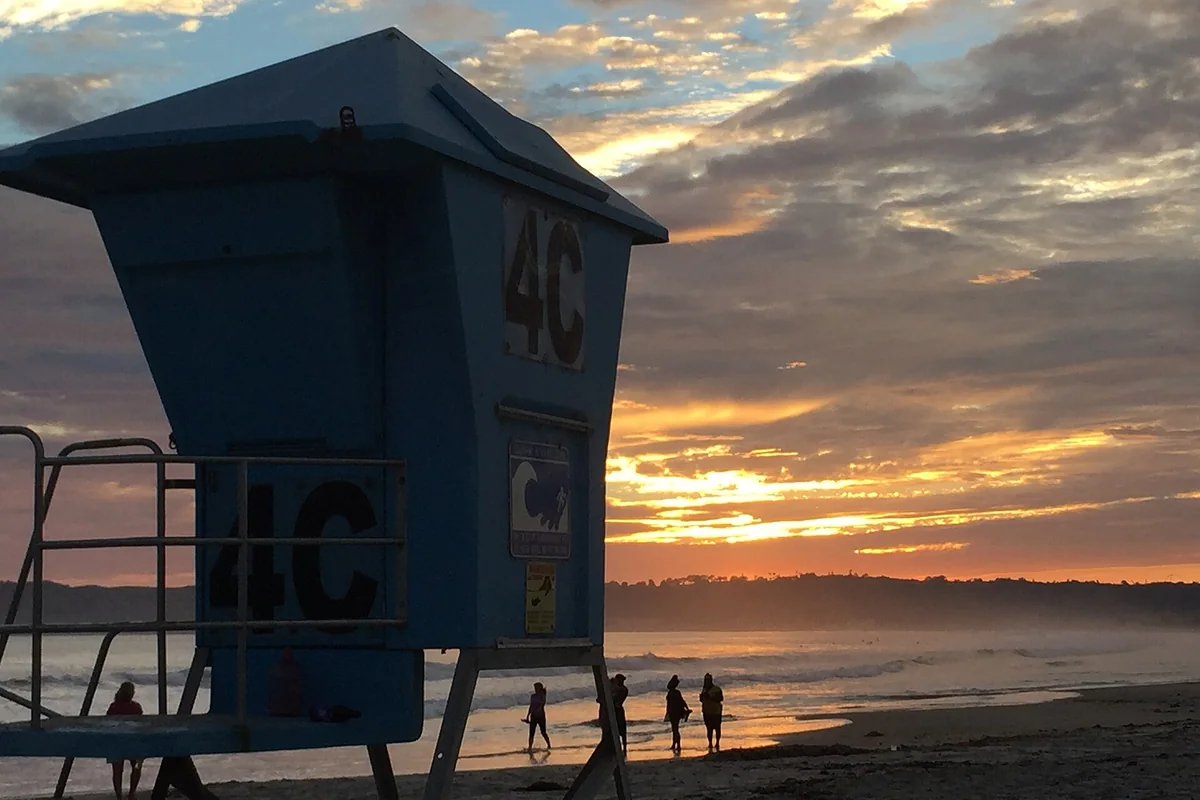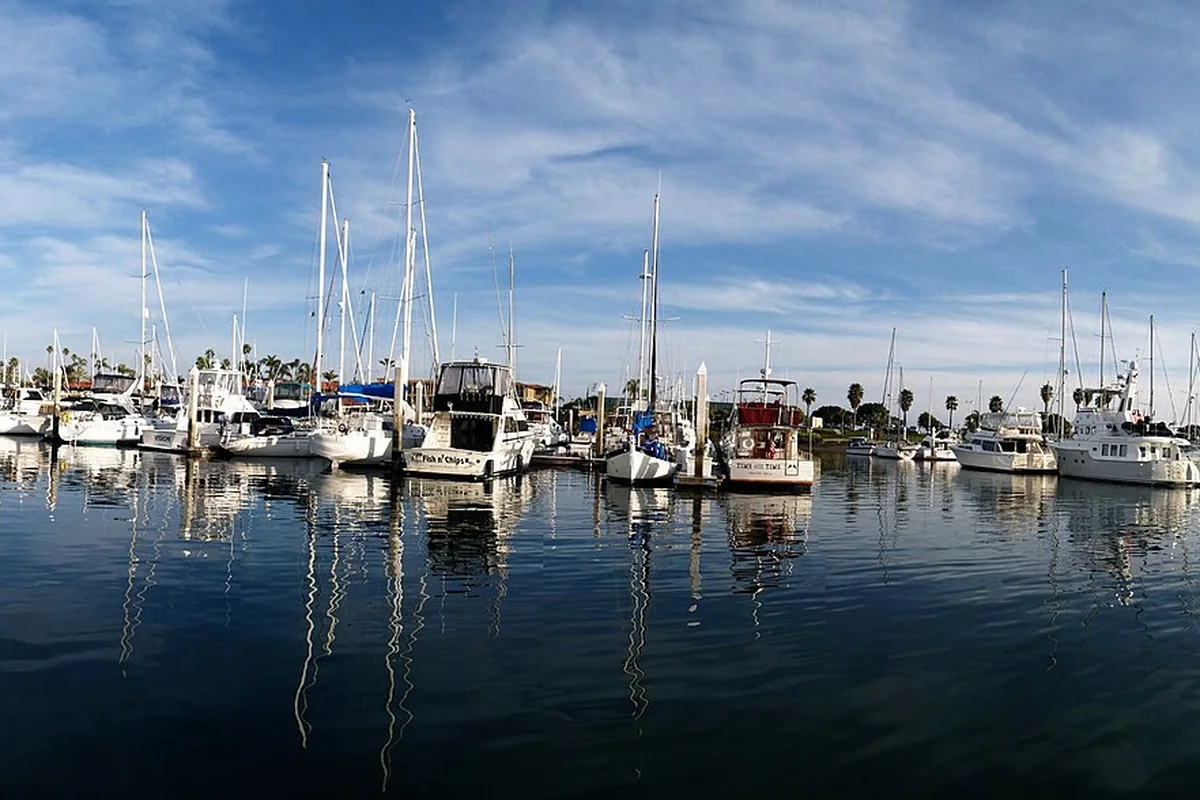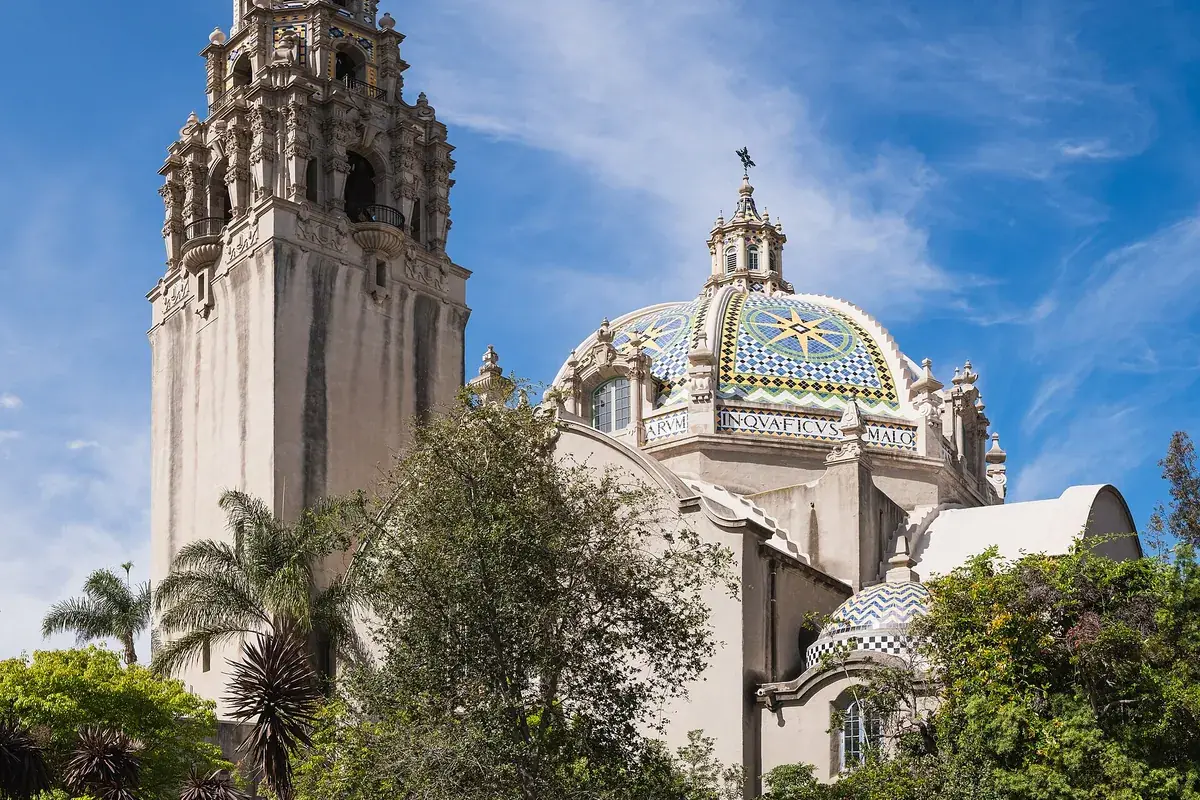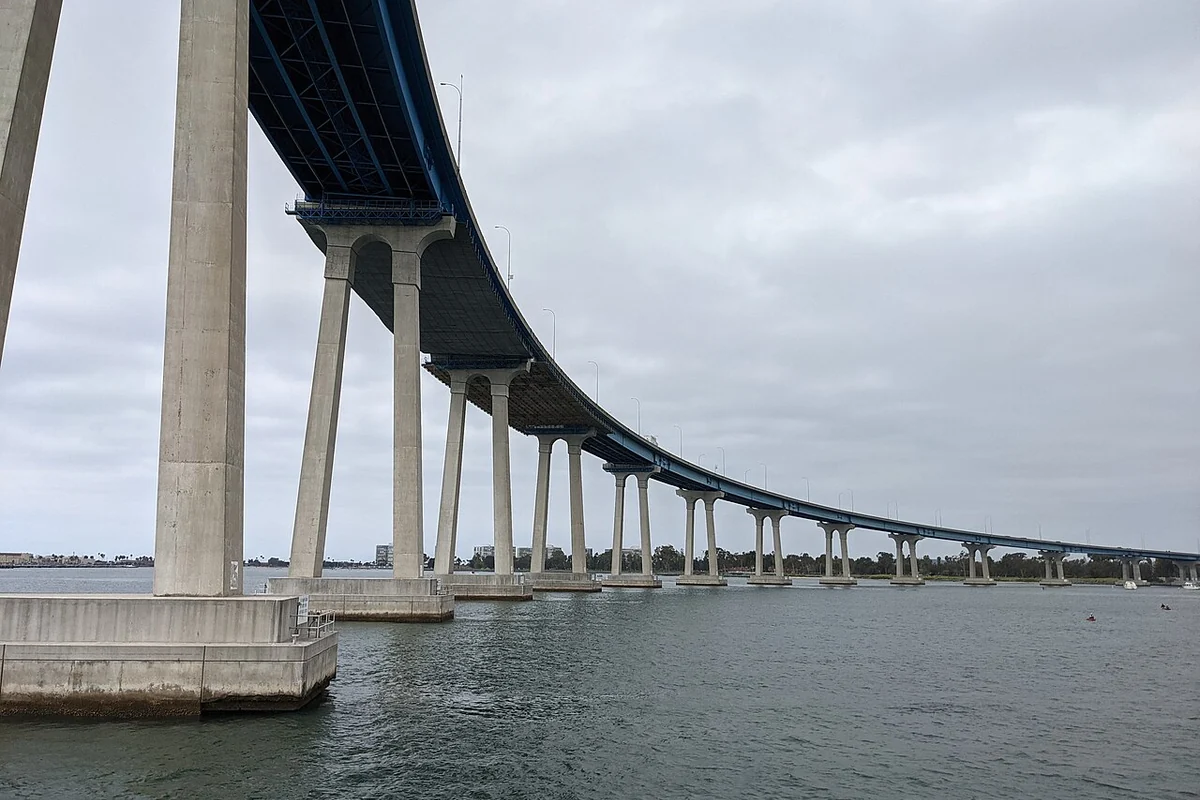
San Diego Bay photos can show very different places: a downtown waterfront promenade, a skyline viewed from Coronado, boats near Shelter Island or a broad harbor landscape. Before choosing a stop, decide what you want in the frame. A park beside downtown may give you close views of ships and harbor activity, while a viewpoint across the bay is more useful for a skyline. This is a location guide for making your own photographs, not a promise of identical views at every stop.
Begin with the Embarcadero
The Embarcadero is a useful starting area for pictures of San Diego Bay that include waterfront activity and an urban setting. Walk rather than repeatedly moving a car between nearby views. Look for combinations of foreground railings, open water and distant boats, but keep the public path clear while composing.
Check the Port of San Diego park directory to choose a specific public space. Waterfront parcels do not all share one access arrangement. A cruise facility, restaurant terrace or working pier should not be treated as a public photography platform just because it faces the bay.
Embarcadero Marina Park North
The Port describes Embarcadero Marina Park North as a waterfront park with promenades and panoramic bay views, at 400 Kettner Boulevard. Its official page lists restrooms, picnic tables, shade and other amenities. Those features make it useful for a photography walk with people who may prefer to sit while someone experiments with a camera.
Try a wide composition that includes the park edge, then a tighter frame concentrating on water and harbor activity. Do not assume a lawn or promenade will be empty; events and other visitors are part of a public space. A photograph can include people at a respectful distance without turning the location into a private studio.
Coronado for the opposite-side perspective
The Port lists Coronado Ferry Landing Park and Coronado Tidelands Park as waterfront destinations. Looking from the Coronado side changes the relationship between the water and downtown skyline. Plan the crossing or drive as a separate part of the day rather than assuming a viewpoint visible across the bay is a quick walk away.
Use our Coronado guide to distinguish the bayfront from the Pacific beach. The classic ocean-beach outing is not the same as a skyline photography stop. Before going, check current access, parking and any event restrictions at the exact park you select.
Shelter Island: boats and working-waterfront context
Shelter Island offers another kind of bay scene, with boating activity and harbor surroundings. Choose public waterfront areas rather than entering marina docks or standing in a launch lane. The Shelter Island launch guide explains why the boat ramp is working infrastructure, not a place for a tripod to occupy while boats wait.
Look for layered compositions: a moored vessel in the foreground, a channel beyond and a distant landform or structure. Wait for moving boats instead of trying to stage activity. Be careful not to photograph people in a way that intrudes on private spaces aboard their vessels.
Light, reflections and weather
For photos of San Diego Bay, changing light often matters more than expensive equipment. Compare the same composition with and without bright reflection on the water. A phone camera may preserve more detail if you adjust exposure downward slightly, but do not stare directly into strong sun while trying to place it in the frame.
Morning, afternoon and evening create different options depending on the direction you face. Check the sun's position for your chosen viewpoint rather than assuming sunset always lights the skyline the way you expect. Marine-layer cloud can soften contrast; clear air can reveal more distant detail. Neither condition automatically makes a better picture.
Practical camera and waterfront etiquette
Use a secure strap, keep bags away from path edges and watch for cyclists, runners and fishing lines. If you use a tripod, choose a place where its legs do not create a trip hazard. Move aside before reviewing a long series of images. Never climb a seawall or cross a barrier for a lower angle.
The Port notes that some activities, including filming and drone use, can require permits. Do not infer that casual public access authorizes an organized shoot, commercial setup or drone launch. Check the rules for your actual activity, particularly if you bring lights, a group, staging equipment or an aircraft.
Make a small, coherent photo tour
Choose two viewpoints with clearly different perspectives instead of trying to photograph every waterfront park in one day. A downtown walk and an opposite-bay view can create a more useful set than several nearly identical stops. Include a wide scene, a medium view and one detail that shows what caught your attention.
For a coast-centered itinerary beyond the harbor, browse San Diego attractions near the coast. Label your images with the actual viewpoint rather than only San Diego Bay. Accurate captions help future viewers understand which shore they are seeing and make your own photographs easier to revisit.
Sources & further reading
Official information and references for this guide. Check the source for current access, rules and conditions.