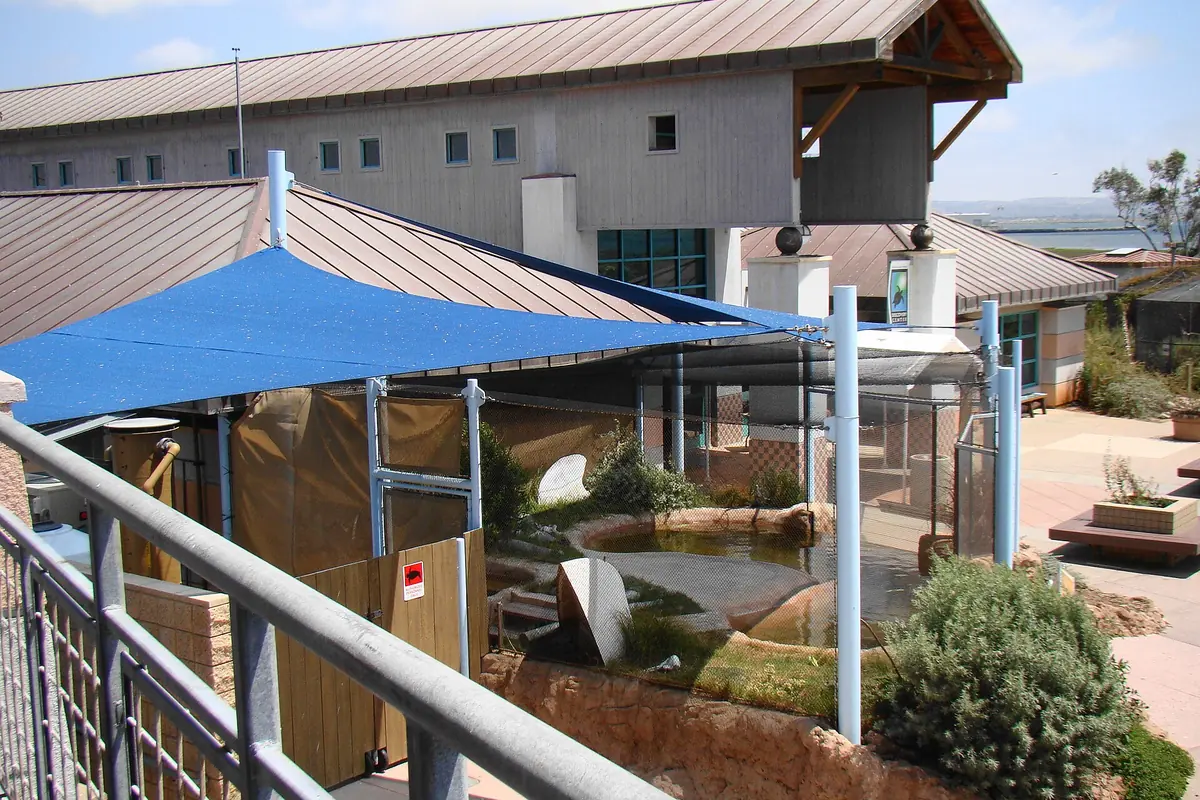
The Chula Vista nature center many visitors remember is now called the Living Coast Discovery Center. It combines wildlife exhibits with a setting on the San Diego Bay National Wildlife Refuge, making it different from a conventional city-park nature building. The most important arrival detail is the shuttle: park at the designated public lot and use the center's shuttle instead of assuming you can drive, walk or cycle directly to the exhibits.
Getting to the Living Coast Discovery Center
The center's directions and shuttle page describes the approach via Gunpowder Point Drive in Chula Vista. Follow those directions to the visitor parking lot, not simply to the building visible across the refuge. The refuge setting limits traffic, and the organization says the shuttle is the only way to access the center and its associated refuge trails.
The shuttle is accessible and can accommodate strollers, according to the center. Check current operating times and any equipment restrictions before setting out. If you need a particular boarding arrangement or space for a mobility device, contact the center with the device's dimensions and your transfer needs rather than assuming every accessible vehicle works identically.
Tickets and the distinction between center and trails
Use the official admissions page for current ticket prices, opening days and programs. A special animal experience may have different booking arrangements from general admission. Do not rely on a past visitor's price or assume an event visible in a search result is running on your date.
The directions page distinguishes paid center admission from visitors using the walking trails, which do not require admission under the published arrangement. Both still depend on the shuttle. Confirm that arrangement and the return time before boarding, especially if your plan is only a refuge walk. Free trail access does not mean the access road is open for pedestrians.
What the wildlife exhibits emphasize
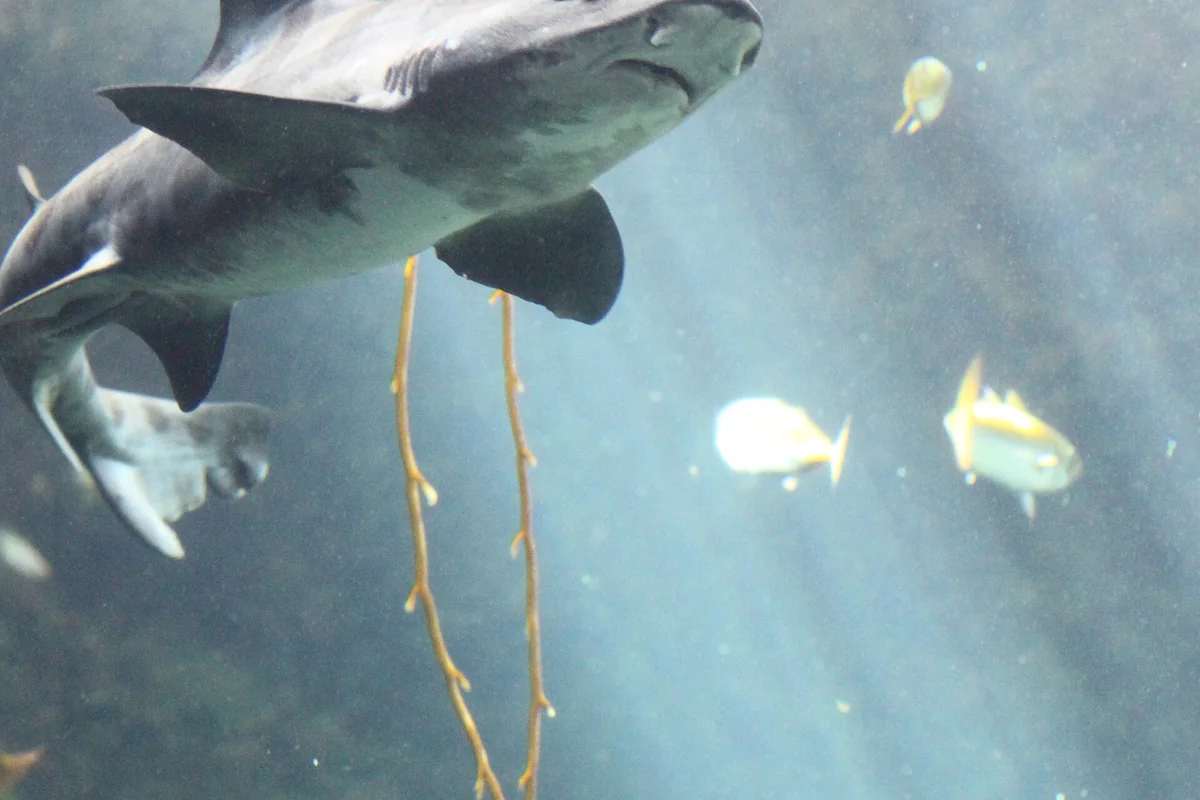
The center's exhibit directory focuses on the biodiversity of the region, from coastal and bay animals to birds and other terrestrial wildlife. Named areas include the Galleria, Shark & Ray Experience, Turtle Lagoon and Raptor Row. Check the current directory for what is on view rather than expecting every animal shown in an older photograph.
Follow staff instructions at any touch or interactive area. An exhibit offering supervised contact does not establish a rule for the animals outside. A wild bird, fish or marine mammal in the refuge should be observed without handling or feeding. That contrast can be a useful lesson for children: animal care settings and wild habitats require different forms of visitor behavior.
A family-friendly way to explore
Choose two or three exhibit priorities instead of trying to complete a checklist. Compare how an animal moves, what kind of shelter it uses and how its body fits its habitat. A child who spends ten attentive minutes with one exhibit may learn more than one hurried past every sign. Leave room for questions and breaks.
Check the day's presentation schedule after arrival. Do not promise an encounter or feeding presentation before verifying it is offered. Keep snacks and rest stops within the center's permitted areas, secure all wrappers and take extra care not to attract wild animals. A wildlife facility should not become a feeding station for opportunistic birds around visitors' bags.
Walking near Sweetwater Marsh
The refuge setting is a reason to bring binoculars and allow time for a quiet look at the landscape. Ask staff which trails are currently open and what route fits your group. A scheduled guided walk and independent trail access are different arrangements, so check which you are planning.
Remain on designated paths and respect habitat boundaries. Do not enter marsh vegetation to approach a bird or improve a view. The apparent openness of a wetland can hide soft ground and sensitive nesting or feeding areas. If the trail is unsuitable because of heat, weather or mobility needs, an exhibit-focused visit remains a complete outing.
Timing the return shuttle
Note the last return shuttle before you leave the arrival area. A departure plan matters as much as the morning arrival, especially if you pause on the trails after visiting the exhibits. The published shuttle information includes specific pickup windows, but those should be checked for your date rather than copied into a permanent itinerary.
If you are meeting another group, choose a clear rendezvous point and leave a buffer before the last return. Carry essentials with you instead of assuming quick access to a parked car. The refuge road is not a convenient shortcut if someone forgets a bag.
Is this Discovery Cove?
Discovery Cove San Diego California is not the proper name of this attraction. Use Living Coast Discovery Center in Chula Vista when navigating or purchasing tickets. Similarly, Chula Vista Discovery Center is a common shortened search, but the official website is the reliable source for current visitor arrangements.
For another interpreted marine-life outing, compare Birch Aquarium in La Jolla. For a broader day along the water, see San Diego Bay viewpoints. Keep the Living Coast portion focused enough to enjoy its particular strength: seeing wildlife exhibits in the context of the coastal habitat just outside.
Sources & further reading
Official information and references for this guide. Check the source for current access, rules and conditions.